From Data to Decisions:
Why Alignment
Matters More Than Tools
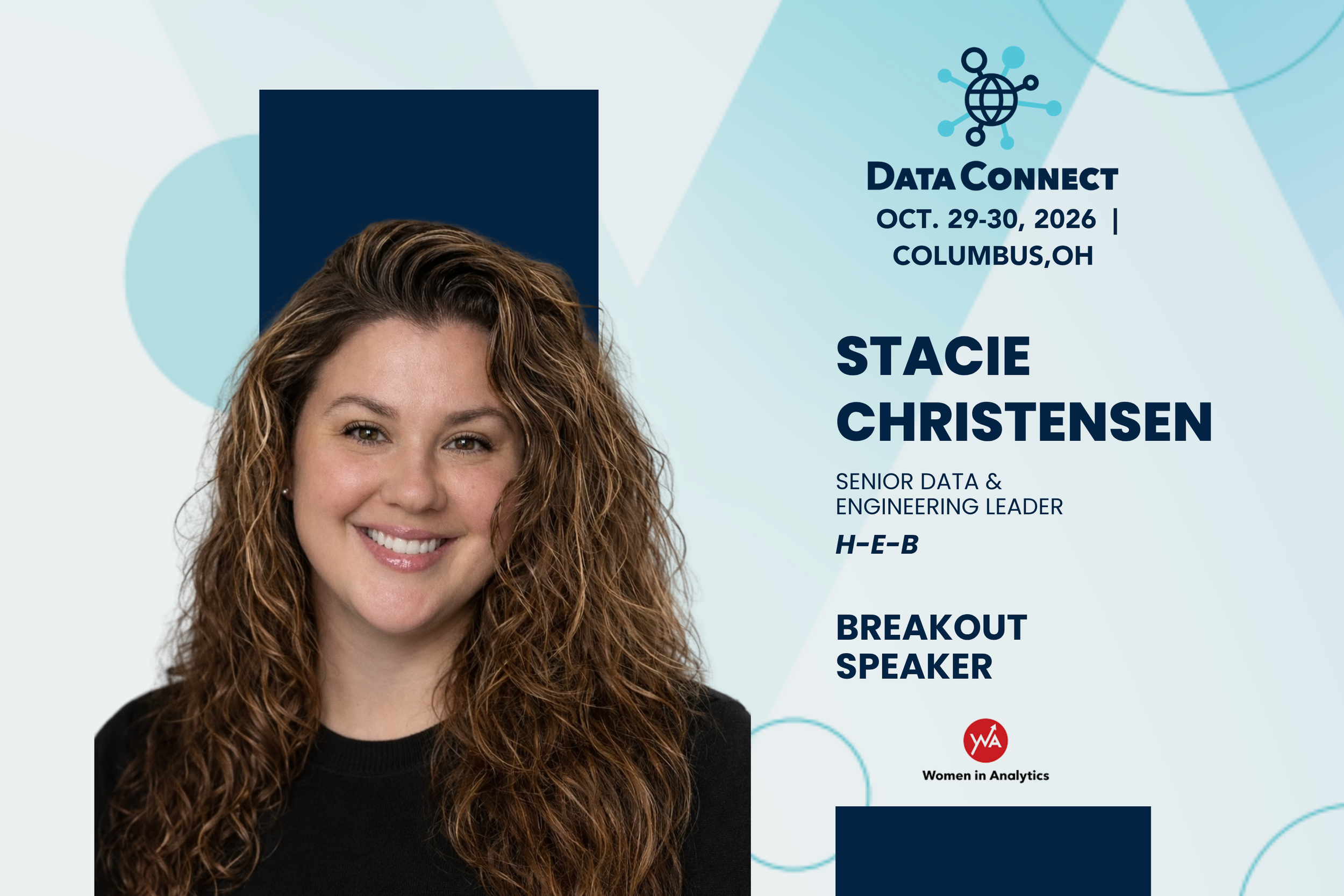
Resources from Stacie Christensen’s Data Connect presentation.
Technology amplifies discipline. It does not create discipline.
Thank You
Thank you for attending my session at Data Connect 2026!
I appreciate you taking the time to join the conversation.
If there’s one idea I hope you take away, it’s this: Good data doesn’t automatically lead to good decisions.
Organizations can have accurate information, talented people, and sophisticated technology and still struggle to make effective decisions.
Why?
Because data provides evidence. People provide interpretation.
When people bring different definitions, incentives, objectives, and expectations to the same information, they can reach very different conclusions.
That’s what I call the alignment gap.
Better decisions require more than better tools. They require shared understanding of what the information means, what we’re trying to accomplish, and how we’ll measure success.
Key Takeaways
Good data does not guarantee good decisions.
Accurate information is essential, but the way people interpret and apply that information ultimately influences the decisions they make.
Different perspectives aren’t the problem. Unaligned interpretations are.
Different teams bring valuable expertise, objectives, and context. The challenge is understanding those differences before they lead to conflicting conclusions.
Alignment happens before the decision, not after the disagreement.
Organizations should establish definitions, objectives, success measures, and decision rights before taking action, rather than trying to reconcile conflicting interpretations afterward.
The Data Alignment Framework
Better decisions start with three connected principles.
Foundation: Trusted Data
Can we trust and use the information?
Organizations need reliable data, clear ownership, consistent definitions, and an understanding of where information comes from. Without a trustworthy foundation, everything built on top of it becomes questionable.
Simplicity: Usable Information
Can people understand how information moves and what it means?
Unnecessary complexity creates opportunities for misunderstanding. Simpler processes and clearer information make it easier for people to understand how data connects to business outcomes.
Alignment: Shared Understanding
Do we agree on what we’re trying to accomplish and how decisions will be made?
Alignment connects definitions, ownership, objectives, interpretation, and measures of success. It doesn’t require everyone to agree. It requires people to understand the decision, the reasoning behind it, and the outcomes they’re working toward.
Trusted Data + Simple Processes + Aligned People = Better Decisions
Five Things to Align Before Making a Decision
Definitions: Are we talking about the same thing?
Make sure teams understand how important information and business terms are defined.
Incentives: What is each team rewarded for?
Different incentives influence how people interpret information and evaluate success.
Objectives: What are we actually trying to accomplish?
Establish a specific business outcome rather than relying on broad goals that can mean different things to different teams.
Measures: How will we determine success?
Agree on the metrics that matter before making the decision. A successful departmental metric doesn’t always mean a successful business outcome.
Decision Rights: Who decides when reasonable people disagree?
Different perspectives are valuable, but organizations still need clarity about who has the authority to resolve competing interpretations and make decisions.
Start With One Decision
You don’t need to launch an enterprise-wide alignment initiative to start improving how your organization makes decisions.
Start with one.
Identify the decision. What are you actually trying to determine?
Identify the teams involved. Who contributes to, uses, or is affected by the information?
Understand their objectives. What is each team trying to accomplish?
Compare definitions of success. Where do expectations overlap or conflict?
Agree on decision criteria. What information and measures will guide the decision?
Document the outcome. Capture what was decided, why, which definitions apply, and who owns the decision.
Alignment doesn’t have to begin with a massive organizational transformation. Sometimes it starts with one conversation, one definition, or one decision.